Best Short Anime to Watch This Winter: Complete Series Under 13 Episodes
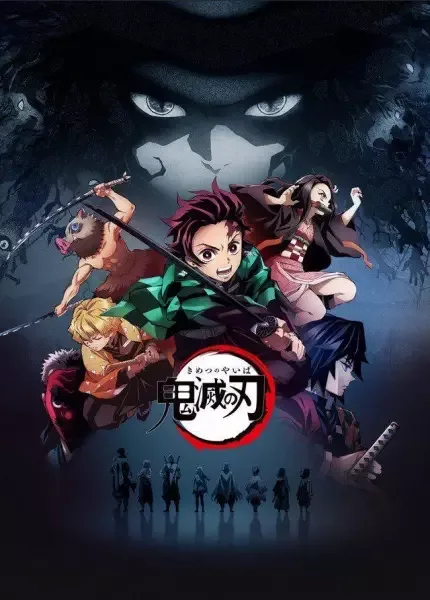
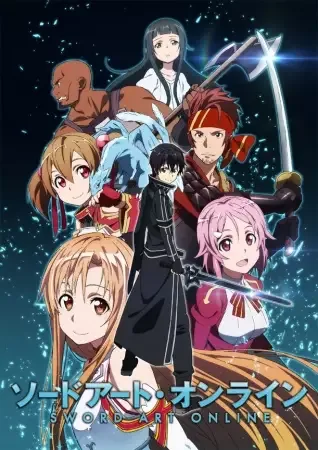
If you're looking for a fulfilling anime experience without the time commitment, short anime under 13 episodes are your answer. Whether you're a newcomer or seasoned fan with limited time, complete series in this range deliver tight storytelling, zero filler, and genuine conclusions. Here are the best short anime that pack maximum impact into minimal episodes.
Why this matters
Anime fillers waste hours—sometimes entire seasons. Short series eliminate that problem by design. A 12-episode series typically runs 4.8 hours, finishing faster than most movies but delivering complete character arcs and satisfying endings. For winter viewing, when time is precious and commitment is real, these shows maximize every frame. No filler means every episode moves the story forward, building momentum instead of killing it.
How we ranked these
We prioritized anime that:
- Run 12 episodes or fewer
- Contain zero filler episodes
- Deliver complete, conclusive narratives
- Represent different genres and tones
- Maintain strong pacing and engagement throughout
At a glance
| Anime | Best For | Episodes | Filler | Key Limitation |
|---|---|---|---|---|
| AnimeOne-Punch Man | Best ForAction fans craving humor | Episodes12 | Filler0% | Key LimitationEnds mid-story arc |
| AnimeTokyo Ghoul | Best ForDark supernatural | Episodes12 | Filler0% | Key LimitationAnime-original ending |
| AnimeDeath Note | Best ForPsychological thrillers | Episodes37 | Filler0% | Key LimitationLonger than others |
| AnimeDemon Slayer | Best ForShonen action lovers | Episodes26 | Filler0% | Key LimitationLonger season, worth it |
| AnimeSword Art Online | Best ForGame/fantasy enthusiasts | Episodes25 | Filler0% | Key LimitationMixed reception on arcs |
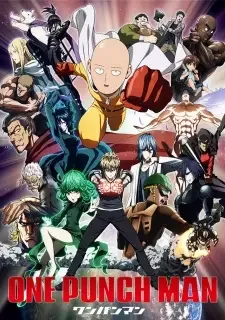
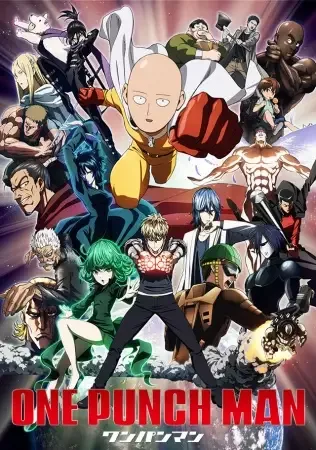
1. One-Punch Man: best for action fans craving humor
Saitama became a superhero through relentless training, gaining the power to defeat any opponent with a single punch. Now unbelievably strong, he's bored. When cyborg Genos witnesses his power and becomes his disciple, they join the Hero Association seeking recognition and thrilling battles that actually challenge them.
One-Punch Man cranks comedic timing to 11 while delivering explosive action sequences. The 12 episodes breeze by in 4.8 hours, packed with absurdist humor about being too powerful. Saitama's dead-serious deadpan delivery as he casually obliterates threats creates constant laughs. The show balances gag comedy with genuine martial arts intensity, especially in fights featuring other heroes. It's the rare action anime that makes you laugh out loud while watching titans clash.
The main drawback: the season ends mid-arc, leaving story threads dangling. But it works perfectly as a standalone experience because the show's charm is episodic—watching Saitama fail to get recognition is the point. If you want action wrapped in comedy, this 12-episode run is flawless.
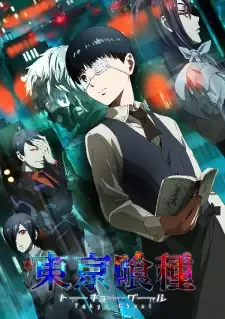
2. Tokyo Ghoul: best for dark supernatural horror
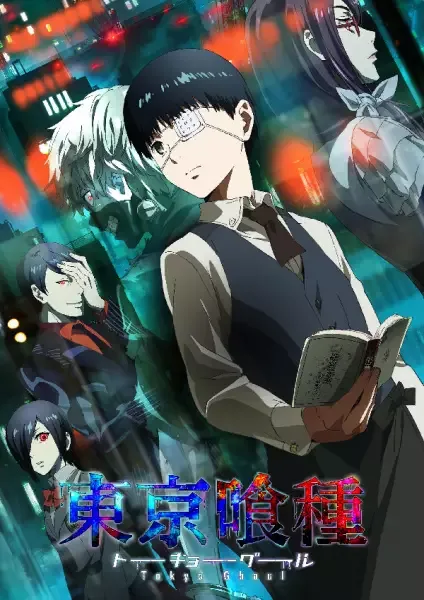
Flesh-eating ghouls lurk undetected throughout Tokyo, indistinguishable from humans. College student Ken Kaneki's quiet life shatters when an attractive woman named Rize lures him into a deadly trap, leaving him mortally wounded. Surgeons save him by transplanting her ghoul organs, transforming him into a human-ghoul hybrid. Now Kaneki must hide his true nature while navigating an underground war between monsters and government hunters.
Tokyo Ghoul occupies a unique space: it's genuinely disturbing without relying on gore alone. The psychological torment of Kaneki's transformation—the hunger, the identity crisis, the moral ambiguity—drives every episode. Zero filler means constant momentum toward darkness. By episode 12, Kaneki's descent into despair hits hard because the anime earns it through relentless pacing.
The anime diverges from the manga into an original ending, which bothers purists but works as a complete story. For a winter watch, this 4.8-hour ride delivers exactly what it promises: horror that sticks with you long after the final scene.
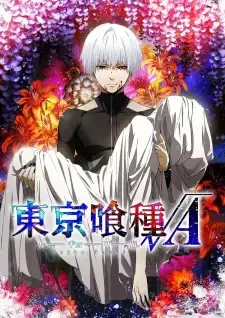
3. Tokyo Ghoul √A: best for continuing the dark narrative
The sequel, Tokyo Ghoul √A, expands to 24 episodes with zero filler, diving deeper into the war between species. If you finish the first season craving more darkness, this 9.2-hour continuation doubles down on psychological horror and raises the stakes dramatically. Both seasons together create a complete, cohesive experience under 20 hours—perfect for a long winter weekend.
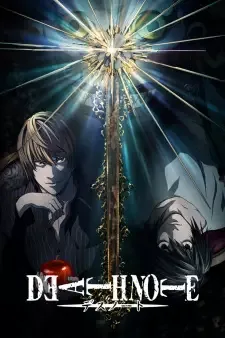
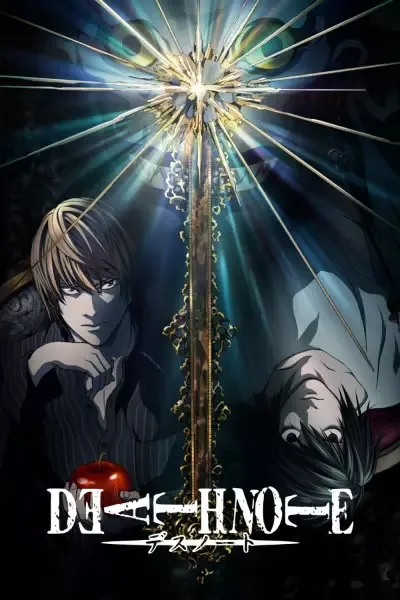
4. Death Note: best for psychological thriller addicts
Light Yagami, a brilliant 17-year-old student, discovers a Death Note dropped into the human world by Ryuk, a bored god of death. Written names result in death—a power Light weaponizes under the alias Kira, convinced he can purge humanity of evil. Detective L quickly picks up his trail, launching an intellectual duel where cunning strategy and moral conviction collide.
Death Note is the gold standard of cat-and-mouse anime. At 37 episodes with zero filler (14.2 hours total), it's longer than most on this list but absolutely justified. Every episode escalates tension as Light and L circle each other, trading psychological blows. The mind games are genuinely brilliant—this is anime for people who love Silence of the Lambs or The Prestige.
The pacing never stumbles because the narrative design is airtight. Moral ambiguity keeps you questioning whether Light is a villain or tragic hero. For a winter deep dive, Death Note demands multiple sittings, rewarding focused attention with payoffs that hit hard.
5. Sword Art Online: best for game and fantasy worlds
The NerveGear's revolutionary virtual reality plunges thousands into Aincrad, a sprawling medieval realm. The game's creator seals players inside—escape demands conquering one hundred perilous levels, but death in the game means death in reality. Kirito, a beta-tester, discovers his head start offers little protection against insurmountable bosses and ruthless conspirators.
Sword Art Online runs 25 episodes (9.6 hours) with zero filler, building a trapped-in-a-game premise with genuine stakes. Kirito's journey from solo player to reluctant leader captures the anxiety of impossible odds. The show excels at world-building—Aincrad feels like a real place with its own economy, politics, and danger.
Reception splits on later arcs, but the Aincrad storyline (the bulk of season one) stands strong. If you love Sword Art Online, its sequel also runs zero filler. Watching both back-to-back creates a 20-hour odyssey through multiple virtual worlds.
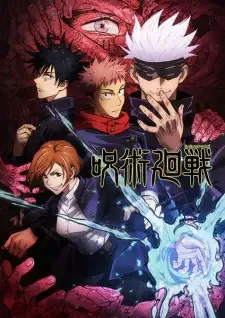
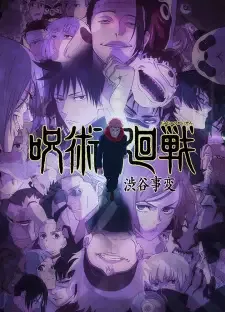
6. Jujutsu Kaisen: best for modern shonen action
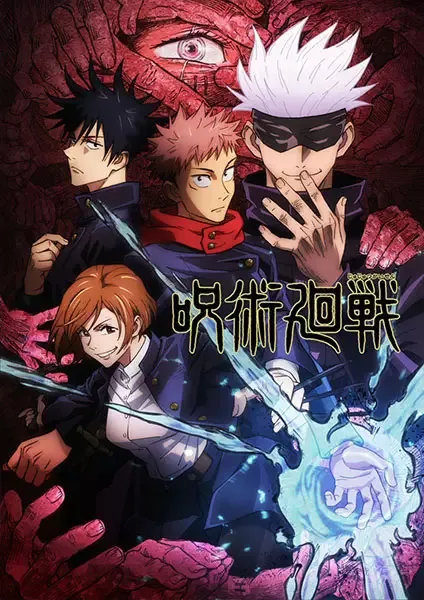
Yuuji Itadori's ordinary high school life shatters when he unknowingly swallows a cursed finger, an artifact belonging to Sukuna Ryoumen, the King of Curses. Suddenly possessing supernatural abilities, Yuuji is recruited into Tokyo Prefectural Jujutsu High School to train as a sorcerer and confront the Curses threatening humanity.
Jujutsu Kaisen proves modern shonen can be tight and explosive. At 24 episodes with zero filler (9.2 hours), it moves like lightning—establishing characters, building threat levels, and delivering satisfying battles without waste. The animation during combat scenes is phenomenal, and character dynamics between Yuuji, Megumi, and Nobara feel earned.
The season concludes mid-arc but with enough resolution to feel complete. The hook for season two is compelling, making it a perfect gateway to the sequel, which also contains zero filler. If you want modern action anime that respects your time, Jujutsu Kaisen is unmissable.
Which one should you watch first?
Start with One-Punch Man if you want something fun and low-stakes—it's comedic enough for tired evenings but action-packed enough to stay engaging. Pick Death Note if you're in a serious mood and ready to think deeply about morality and strategy. Choose Tokyo Ghoul for psychological darkness that lingers, or Jujutsu Kaisen if you want current-gen shonen action without filler waste.
For a complete winter marathon, Death Note paired with Demon Slayer offers roughly 24 hours of premium anime. Or dive into Jujutsu Kaisen followed by its sequel for a cohesive 47-episode arc with zero filler.
All these anime are guaranteed filler-free, meaning every episode counts. Check our full guides for One-Punch Man, Tokyo Ghoul, Death Note, Demon Slayer, Sword Art Online, and Jujutsu Kaisen for episode-by-episode breakdowns and detailed summaries.
FAQ
What's the shortest anime on this list? One-Punch Man and Tokyo Ghoul both run 12 episodes (4.8 hours each), making them the quickest watches. Death Note is longest at 37 episodes but contains zero filler.
Do these anime have complete endings? Most end on strong story beats, though some leave room for sequels. Death Note concludes its main narrative definitively. One-Punch Man and Jujutsu Kaisen end mid-arc but feel satisfying as standalone experiences.
Which anime has the best pacing? Jujutsu Kaisen and Death Note rarely waste a frame. Both escalate stakes consistently without filler drag. One-Punch Man paces comedy and action perfectly.
Are these suitable for newcomers to anime? Yes. One-Punch Man and Demon Slayer are accessible entry points. Death Note works for anyone who enjoys psychological thrillers, anime or not.
Can I watch these without prior knowledge? Absolutely. Every entry here assumes no prior anime experience. Tokyo Ghoul is most unique in its premise, but explains everything clearly.
Which anime has the best animation? Demon Slayer and Jujutsu Kaisen feature exceptional sakuga (fluid animation). One-Punch Man alternates between comedic simplicity and explosive detail.
Should I watch sequels after finishing these? Demon Slayer has multiple zero-filler sequels worth watching. Jujutsu Kaisen season 2 also contains zero filler. Tokyo Ghoul √A is a direct continuation.